AI Writing Assistants 2026
40% of content creators use AI. Get the inside track on AI writing assistants that boost productivity and don't sacrifice style
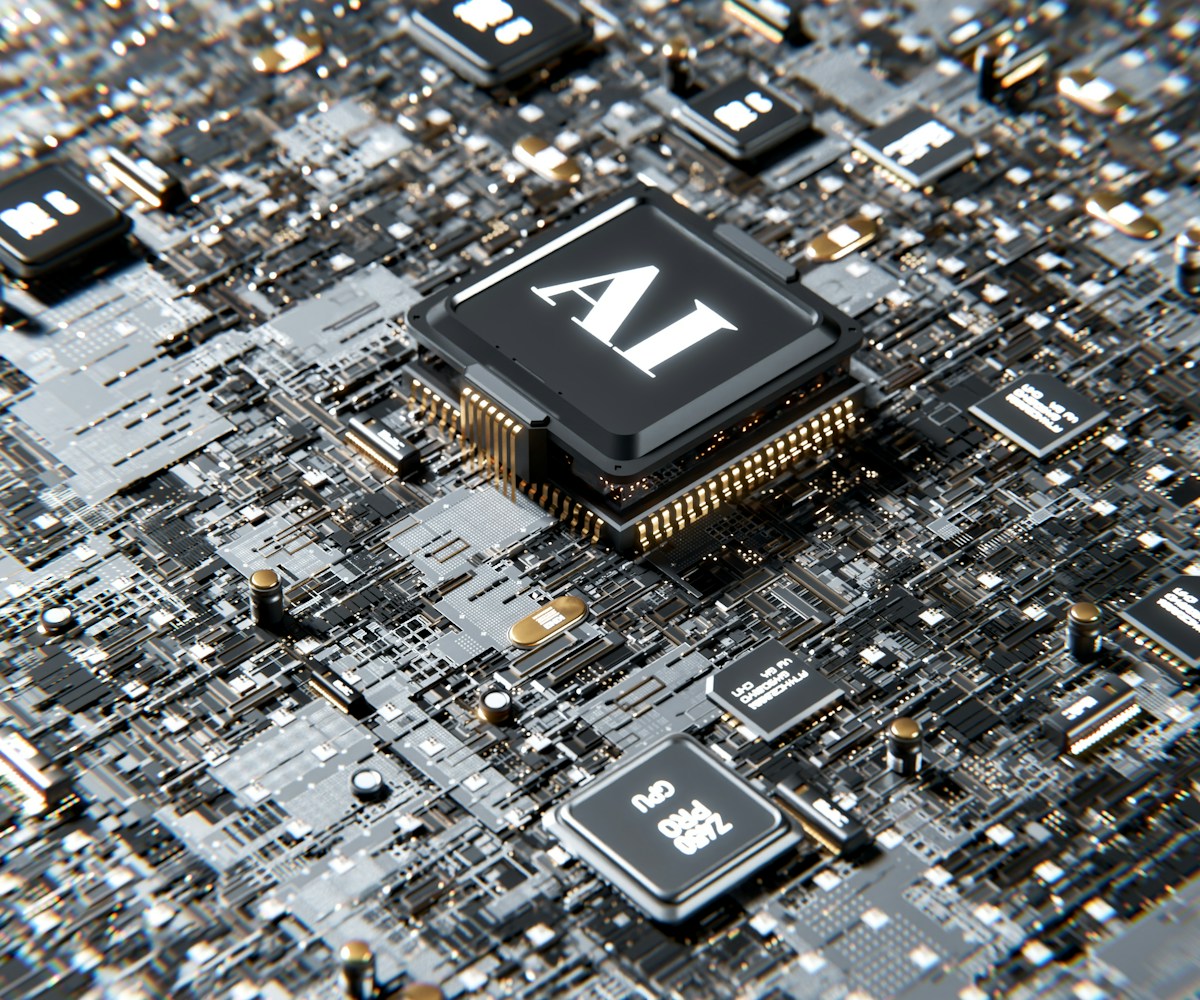
As we step into 2026, the evolution of AI writing assistants continues to astound both seasoned writers and newcomers alike. These sophisticated tools have become indispensable allies in the content creation process, pushing boundaries in creativity and efficiency. Let's explore the latest advancements and how they can enhance your writing experience.
What are AI Writing Assistants?
AI writing assistants are software tools that use artificial intelligence to generate text. They can be used for a variety of purposes, including content creation, editing, and proofreading. These tools use natural language processing (NLP) and machine learning algorithms to analyze and understand the context of the text, and then generate high-quality content.Benefits of AI Writing Assistants
The benefits of AI writing assistants are numerous. They can help writers to:- Generate high-quality content quickly and efficiently
- Improve their writing skills and style
- Save time and effort in content creation
- Increase productivity and output
- Enhance their content with relevant keywords and phrases
How to Use AI Writing Assistants
To get the most out of AI writing assistants, it's essential to use them effectively. Here are some tips:- Start with a clear idea of what you want to write about
- Use the AI writing assistant to generate a draft or outline
- Review and edit the content to ensure it meets your standards
- Use the AI writing assistant to suggest improvements and enhancements
- Experiment with different AI writing tools and techniques to find what works best for you
AI Writing Assistants for Content Creation
AI writing assistants can be used for a variety of content creation tasks, including:- Blog posts and articles
- Social media posts and updates
- Product descriptions and reviews
- Email marketing and newsletters
- Website content and copywriting
AI Writing Assistants for Editing and Proofreading
AI writing assistants can also be used for editing and proofreading. They can help to:- Check grammar and punctuation errors
- Suggest improvements to sentence structure and style
- Identify and replace overused words and phrases
- Enhance the clarity and coherence of the text
Tools for AI Writing Assistants
There are many tools available for AI writing assistants, including:- Vyzora's Text-to-Speech tool, which can help to generate audio content from text
- Vyzora's Plagiarism Checker tool, which can help to ensure the originality of the content
- Vyzora's Resume Builder tool, which can help to create high-quality resumes and CVs
- Vyzora's Hashtag Generator tool, which can help to generate relevant hashtags for social media posts
Real-World Examples of AI Writing Assistants
AI writing assistants are being used in a variety of real-world applications, including:- Content creation for websites and blogs
- Social media marketing and advertising
- Email marketing and newsletters
- Product descriptions and reviews
- Academic and research papers
Future of AI Writing Assistants
The future of AI writing assistants is exciting and rapidly evolving. As the technology improves, we can expect to see even more advanced and sophisticated AI writing tools. Some potential developments include:- Improved natural language processing and understanding
- Increased ability to generate high-quality, engaging content
- Enhanced collaboration and integration with human writers and editors
Best Practices for AI Writing Assistants
To get the most out of AI writing assistants, it's essential to follow best practices, including:- Using high-quality training data and algorithms
- Regularly updating and refining the AI writing tool
- Providing clear and concise input and guidance
- Reviewing and editing the output to ensure it meets your standards
Final Thoughts
AI writing assistants are powerful tools that can help to revolutionize the way we create content. By understanding the benefits and limitations of these tools, and using them effectively, we can improve the quality and efficiency of our content creation.Call to Action
If you're interested in learning more about AI writing assistants and how to use them effectively, check out Vyzora's AI Caption Generator tool, which can help to generate high-quality captions and descriptions for your content.What's New in 2026?
The landscape of AI writing assistants has seen significant advancements in 2026, making them more intuitive and effective than ever before. Key improvements include enhanced natural language processing capabilities, allowing for better context understanding and more coherent content generation. Additionally, several AI tools now offer real-time collaboration features, enabling writers to work alongside AI in a seamless manner. This year has also introduced personalized writing styles, where AI can learn from your previous works and adapt its suggestions accordingly. Furthermore, the integration of voice recognition has made it easier to dictate ideas and receive instant feedback, transforming the writing process into a more interactive experience. These innovations not only save time but also empower writers to unleash their creativity with confidence.FAQ
What are AI writing assistants?
AI writing assistants are software tools that use artificial intelligence to generate text. They can be used for a variety of purposes, including content creation, editing, and proofreading.How do AI writing assistants work?
AI writing assistants use natural language processing and machine learning algorithms to analyze and understand the context of the text, and then generate high-quality content.What are the benefits of AI writing assistants?
The benefits of AI writing assistants include generating high-quality content quickly and efficiently, improving writing skills and style, saving time and effort, and increasing productivity and output.Can AI writing assistants replace human writers?
No, AI writing assistants are designed to augment and assist human writers, rather than replace them. They can help with tasks such as research, organization, and editing, but human writers and editors are still necessary to ensure the quality and accuracy of the content.Alex has spent the last 6 years building applied AI systems for content platforms. At Vyzora he leads tool R&D and writes practical explainers on prompting, LLM comparisons, and creator-focused AI workflows.
Read more from Alex →AI Caption Generator
Generate scroll-stopping captions with the perfect tone + hashtags in seconds.
Generate Captions Free